



For decades, archaeologists have been excavating sites in the Middle East in search of evidence that may connect biblical accounts with real scientific discoveries. Among these searches, few places evoke as much interest as the legendary city of Sodom, mentioned in the Old Testament as one of the cities destroyed by divine intervention.
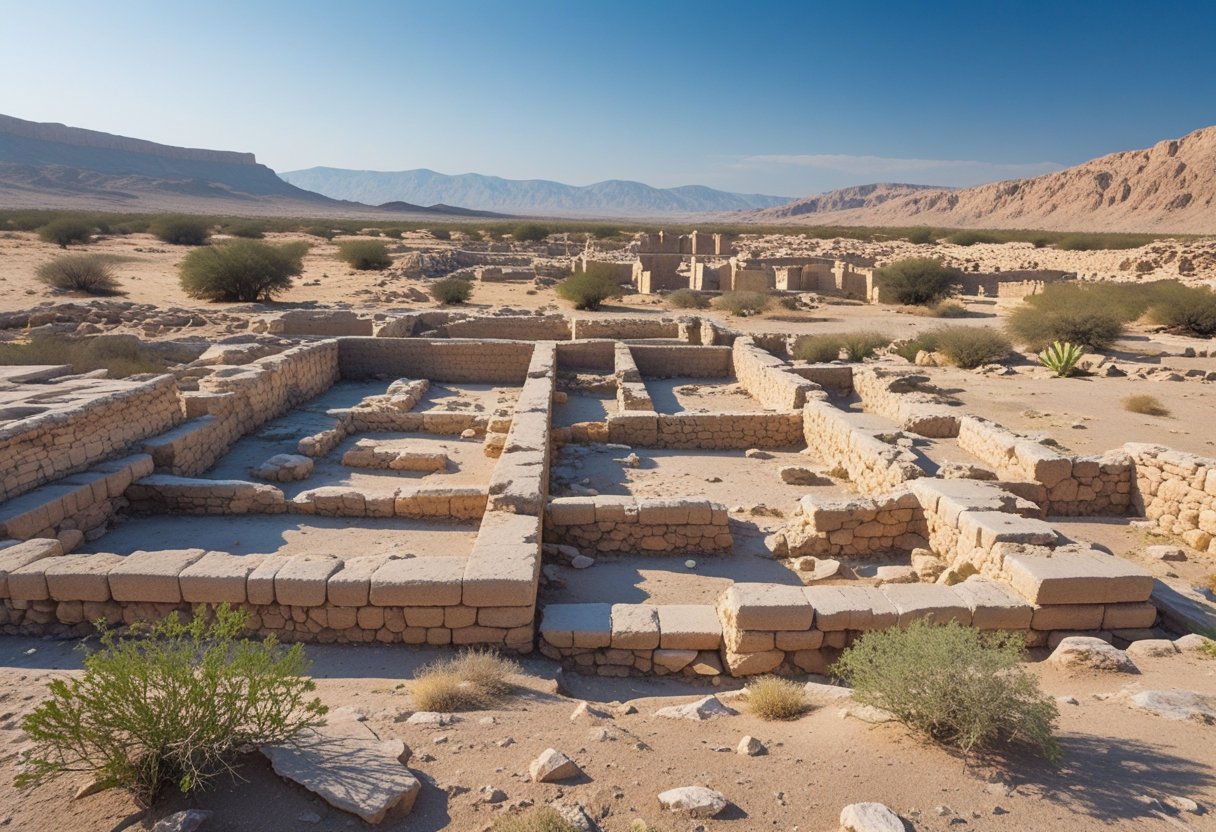
Recent archaeological discoveries at the site of Tall el-Hammam in Jordan have generated intense scientific debates about the possible historical location of Sodom. The excavations revealed evidence of sudden destruction, including thick layers of ash and signs of abrupt abandonment that coincide with the Bronze Age period.
The scientific community remains divided regarding the interpretation of these findings, examining theories ranging from aerial explosions to natural geological events that could explain the destruction observed in the archaeological record. These investigations offer a fascinating perspective on how modern science approaches ancient narratives and seeks to understand historical events through material evidence.
Historical Context of Sodom
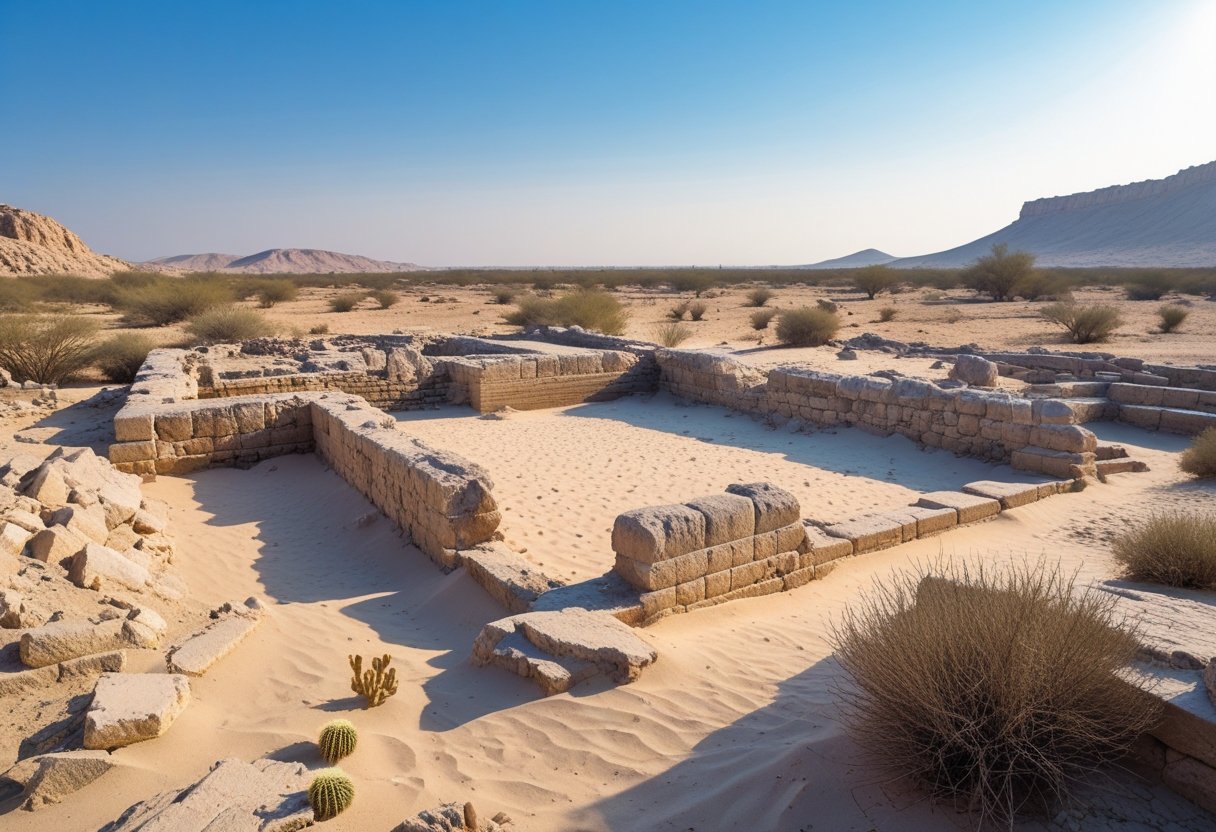
Sodom represents one of the most controversial cities of antiquity, mentioned in biblical texts and the subject of intense archaeological debates. The city became a symbol of divine judgment and remains a significant cultural reference after millennia.
Ancient Location of Sodom
Archaeological evidence points to the southern end of the Dead Sea as the most likely location of Sodom. This region corresponds to the ancient Valley of Siddim, mentioned in biblical texts.
Today, much of this area is submerged under shallow waters. The depth does not exceed the average height of an adult person.
The region of the Cities of the Plain included other localities besides Sodom. Gomorrah, Admah, Zeboim, and Zoar completed this ancient urban set.
Geographical features of the region:
- Proximity to the banks of the Jordan River
- Extremely fertile soil
- Strategic location for trade
- Abundance of natural resources
Biblical and Historical References
The book of Genesis, chapter 13, presents the first mention of Sodom. Lot, Abraham's nephew, chose to dwell in this region due to the fertility of the valley.
The city is mentioned in nearly 50 biblical verses. These references consistently highlight the wickedness of the inhabitants.
Genesis 13:12-13 states that Lot settled in Sodom, but the people of the region were considered wicked. The biblical narrative describes military conflicts where the inhabitants were defeated and taken captive.
Main textual references:
- Genesis 13: Lot's choice
- Genesis 14: Military conflicts
- Genesis 19: Destruction of the cities
Cultural and Religious Relevance
Sodom became a proverb in Israel after its destruction, which occurred approximately 2,000 years before the birth of Jesus. The name became synonymous with wickedness in various languages.
Jewish and Christian traditions associate the destruction with a lack of hospitality and iniquity. Peter, in the New Testament, uses Sodom as an example of divine judgment for the last days.
The city represents the first recorded example of a population center destroyed by heavenly fire. This event set a precedent for later narratives about divine justice.
Lasting cultural impact:
- Symbol of moral judgment
- Reference in religious literature
- Example of the consequences of sin
- Milestone in the Judeo-Christian tradition
Recent Archaeological Discoveries
Archaeological excavations in the Dead Sea region have revealed significant evidence of large-scale destruction at Bronze Age sites. The site of Tell el-Hammam in Jordan has emerged as the leading candidate for the historical location of Sodom, with findings that include monumental structures and layers of ash.
Main Archaeological Sites
Tell el-Hammam represents the most promising site identified by Professor Steve Collins' team. This Bronze Age city was located in the Jordan Valley, occupying approximately 65 hectares during its peak expansion.
The site exhibits geographical features that correspond to biblical descriptions. It was situated in a fertile plain near the Dead Sea, with access to important trade routes of antiquity.
Other secondary sites in the region also show signs of simultaneous abandonment. These include small settlements around Tell el-Hammam that were apparently vacated during the same historical period.
The geographical distribution of these sites forms a pattern consistent with a regional catastrophe. The evidence suggests that multiple communities were affected simultaneously during the late Middle Bronze Age.
Structural Findings and Artifacts
The excavations revealed defensive walls up to 10 meters high and 5 meters wide. These structures show clear signs of destruction from high temperatures, with melted limestone and vitrified bricks.
Layers of ash up to 1.5 meters thick cover large areas of the site. Chemical analyses identified high concentrations of sulfur and other minerals associated with extreme combustion events.
Archaeologists found fragmented ceramics and metallic objects deformed by heat. Many artifacts show signs of exposure to temperatures exceeding 1,500°C.
Human remains discovered at the site indicate sudden death of the population. The skeletons show no signs of escape attempts or preparation for evacuation, suggesting an instantaneous catastrophic event.
Dating Methodologies
Carbon-14 dating of organic materials found in the destruction layers points to approximately 1650 B.C. This date coincides with the period traditionally associated with the biblical events of Sodom and Gomorrah.
The stratigraphy of the site confirms an abrupt interruption in human occupation. The archaeological layers show sudden abandonment followed by a long period without reoccupation of the area.
Thermoluminescence analyses of ceramics indicate exposure to extremely high temperatures. This technique allows for determining when the materials were subjected to the last intense heating.
Paleoenvironmental studies of nearby lake sediments corroborate evidence of a regional catastrophic event. Samples of pollen and other environmental indicators show drastic changes in local vegetation during the same period.
Scientific Evidence on the Destruction of Sodom
Researchers found evidence of a catastrophic event 3,700 years ago in the region of Tall el-Hammam, Jordan. Scientific analyses indicate destruction by cosmic impact, chemical changes in the soil, and signs of sudden natural catastrophe.
Asteroid Impact Hypotheses
The asteroid impact theory gained traction after analyses conducted by the multidisciplinary team of the Tall el-Hammam project. Scientists identified evidence of an atmospheric explosion from a 1.6-kilometer-wide asteroid.
The event would have generated a force equivalent to one thousand Hiroshima bombs. The explosion devastated an area exceeding one million square kilometers.
Fragments of space rock were found in the archaeological layers corresponding to the period. The materials exhibit typical characteristics of high-energy cosmic impacts.
The dating of the evidence coincides with the historical period mentioned in biblical narratives. The region remained uninhabited for approximately 700 years after the destructive event.
Geochemical Analyses of the Soil
Soil analyses revealed anomalous chemical compositions in the destruction layers. Researchers found high concentrations of salts and melted minerals inconsistent with normal geological processes.
Thick layers of ash were identified at multiple excavation points. These layers contain microscopic particles of glassy material formed by high temperatures.
Levels of shocked quartz indicate extreme pressures characteristic of cosmic impacts. These crystals only form under pressure conditions exceeding 10 gigapascals.
Isotopic analyses confirmed the presence of extraterrestrial elements in the samples. The geochemical data support the hypothesis of destruction by a cosmic event.
Studies of Natural Catastrophes
Archaeological evidence shows sudden and complete abandonment of the region. Domestic objects were found in positions suggesting immediate evacuation of the population.
Structures show signs of destruction by intense fire and widespread structural collapse. The temperatures reached were sufficient to melt ceramic and metallic materials.
Paleoenvironmental analyses indicate drastic changes in local vegetation after the event. The region became arid and sterile for centuries.
Comparative studies with other impact events confirm similar patterns of destruction. The scientific data support the occurrence of a natural catastrophe of exceptional proportions.
Interpretations and Academic Debates
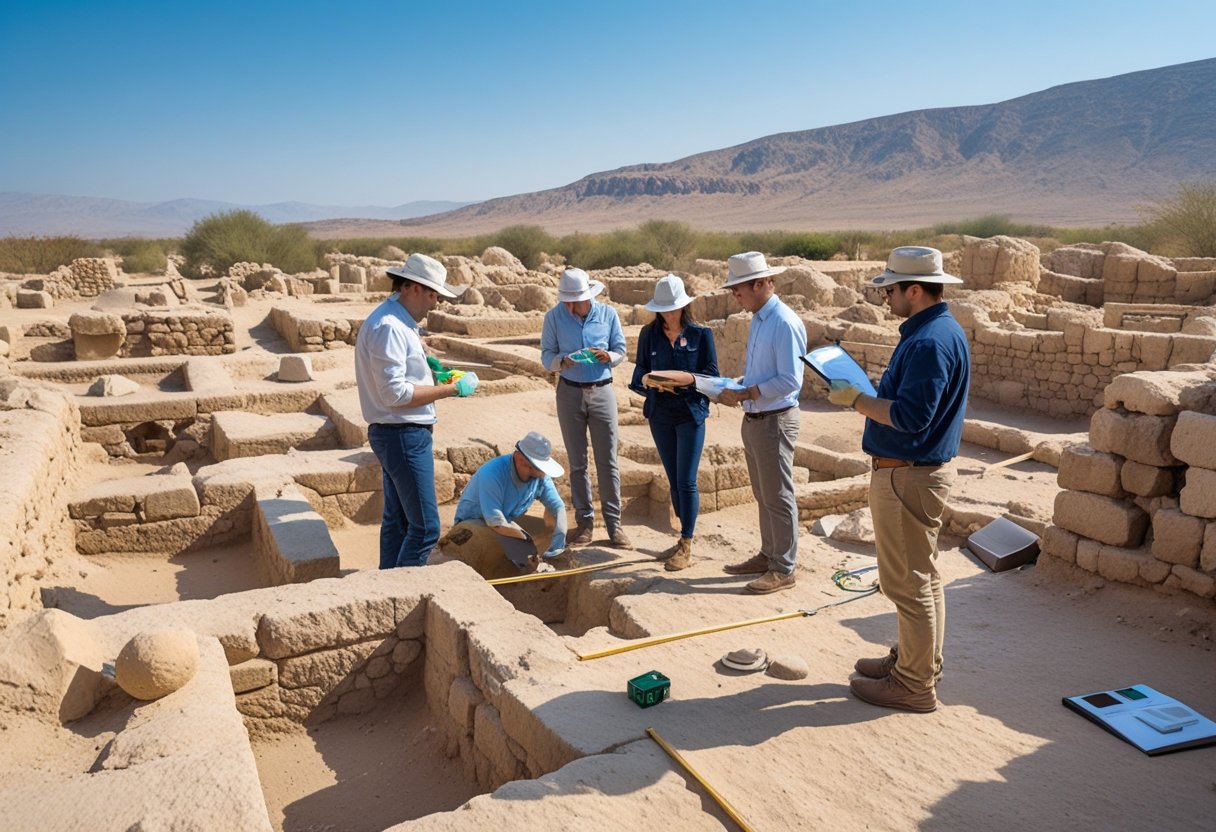
The archaeological discoveries at Tall el-Hammam generate intense debates about methodology, evidence interpretation, and scientific limitations. Researchers are divided among different hypotheses to explain the findings in the Jordan Valley.
Challenges in Data Interpretations
The analysis of archaeological evidence at Tall el-Hammam presents significant methodological complexities. Archaeologists find it challenging to establish definitive connections between the physical findings and the biblical accounts.
Main challenges identified:
- Precise dating of destruction levels
- Interpretation of ash and debris layers
- Correlation between physical evidence and ancient texts
Professor Steven Collins' team from Trinity Southwest University argues that the evidence of sudden destruction supports the identification of the site. The researchers documented thick layers of ash and signs of abrupt abandonment.
Other archaeologists question whether these findings can be attributed to natural causes. Earthquakes, fires, or regional volcanic activity could explain similar patterns of destruction.
The interpretation of artifacts also generates controversies. Ceramic fragments and architectural structures require careful contextual analyses to establish accurate chronologies.
Controversies Among Researchers
The archaeological community maintains divergent positions on the identification of Sodom at Tall el-Hammam. Different schools of thought apply distinct methodologies in the interpretation of the data.
Collins and his team argue that the physical evidence corroborates the biblical account. They highlight the magnitude of the destruction and the abrupt interruption of human occupation at the site.
Skeptical archaeologists argue that definitive proof is lacking to confirm the biblical identity of the site. They emphasize that multiple ancient cities suffered similar destructions in the region.
The debate also involves fundamental methodological issues:
- Use of religious texts as historical sources
- Criteria for validating archaeological hypotheses
- Separation between faith and scientific investigation
Independent researchers call for more evidence before accepting definitive conclusions. They suggest that additional decades of excavations will be necessary to resolve the controversies.
The divergence reflects broader tensions between biblical archaeology and secular archaeology in interpreting Middle Eastern sites.
Limitations of Current Studies
Studies on the possible ruins of Sodom face significant restrictions that affect the quality of the conclusions. The absence of advanced technologies in previous decades limited the accuracy of initial analyses.
Funding issues restrict the scope of excavations. Only a fraction of the site of Tall el-Hammam has been systematically investigated to date.
The preservation of archaeological remains presents additional challenges. Adverse climatic conditions and modern human activities compromise the integrity of the findings.
Identified methodological limitations:
- Insufficient samples for chemical analyses
- Lack of comparison with contemporary sites
- Absence of written records from the period
Researchers acknowledge that definitive interpretations require more robust evidence. DNA analyses, advanced radiocarbon dating, and detailed geological studies could strengthen future conclusions.
The limited interdisciplinarity among specialists also restricts progress. Greater collaboration among archaeologists, geologists, chemists, and historians could enrich the interpretations of the available data.


Continue studying Current Events
Discover the Secrets of the Bible